

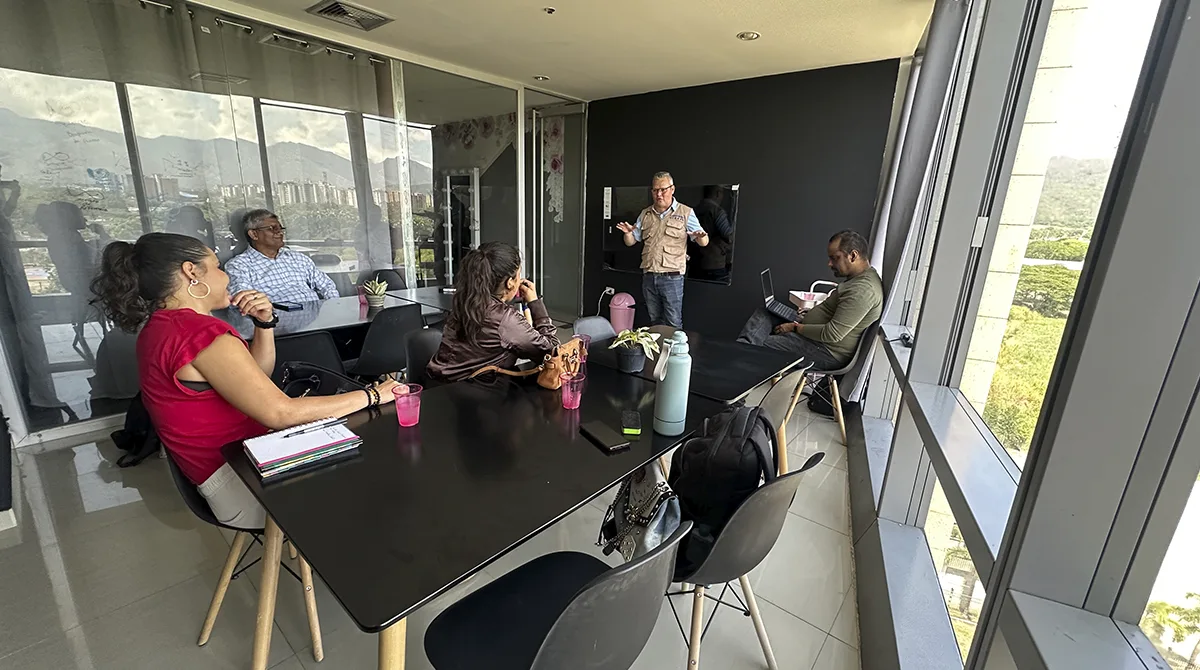
On Saturday, May 9, 2026, the Hesperia WTC Business Tower in Naguanagua became a hub of learning and growth for civil society organizations across the region. At Cardumen Global, we were proud to co-organize, alongside the Latin American Internet Research Center (CLISI), the in-person workshop “Financial Planning for Volunteer Organizations” — an event designed to give nonprofits the practical tools they need to secure long-term economic sustainability.
The Real Barrier to Impact
Civil society organizations, NGOs, and volunteer movements rarely struggle for lack of passion, ideas, or commitment. What holds them back is something far less visible: the absence of a solid financial structure. Brilliant initiatives stall when they can’t access funding, manage resources efficiently, or demonstrate the transparency that global standards demand — and the communities that need them most end up paying the price.
That’s the gap we set out to close. The workshop was free, in-person, and limited in capacity — and seats filled up fast, a clear sign of how much this kind of training is needed.
Leading the Conversation: Jhon Esteban’s Vision
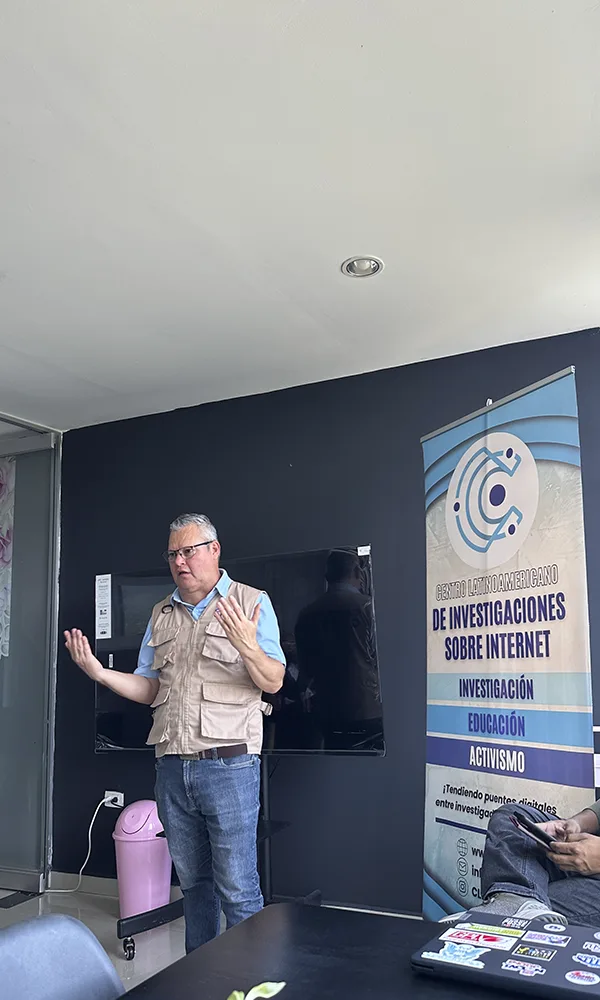
The session was led by Jhon Esteban, CEO of Cardumen Global and a recognized expert in Circular Economy and International Cooperation. Jhon challenged attendees to rethink how they see their own organizations: volunteer groups shouldn’t operate as charity projects alone — they should be built as self-sustaining entities.
His message was clear. Social-impact projects can’t stop at community well-being. They also need resource optimization, long-term financial planning, and circular-economy practices baked in from the start, so the impact they create actually lasts.
Three Pillars Every Organization Needs to Master
The heart of the workshop centered on three areas every social organization must master to scale its work and stay standing for the long run:
Strong institutional profiles. Attendees learned how to shape and present their organization’s identity — building profiles that inspire confidence, communicate real, data-backed impact metrics, and articulate a mission clear enough to resonate with social investors and partner institutions.
The path to certification. Good intentions need administrative rigor behind them to open doors to funding. We demystified the certification landscape, walking through the transparency, audit, and legal standards that development agencies require before committing financial backing. We also explored how short, badge-based credentials on modern learning platforms are becoming a fast, flexible way to certify team skills.
Winning at funding calls. The morning’s high point was a practical roadmap for applying to funds. Jhon shared hands-on methods for spotting funding opportunities, writing winning technical proposals, and aligning an organization’s goals with the global development agendas that major donors prioritize.
A Partnership Built for the Future
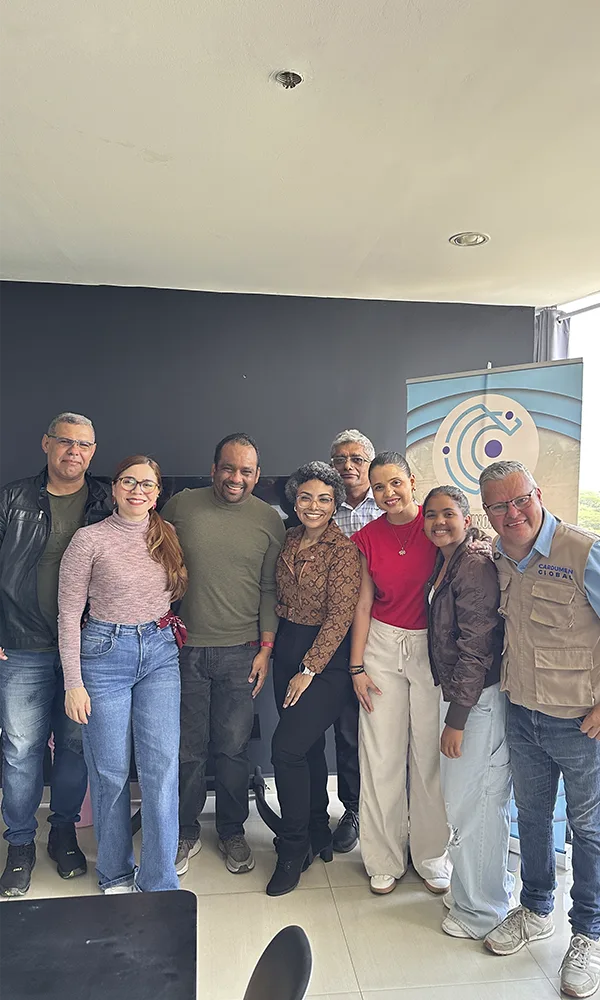
None of this would have been possible without a strong alliance of organizations committed to strengthening civil society. Alongside Cardumen Global’s leadership and CLISI’s organizing effort, the workshop had the invaluable support of Co-Humanidad and We Are For Good.
We want to thank every community leader and volunteer director from Valencia and the surrounding area who joined us. Your commitment to professionalizing your organizations is exactly what drives us to keep creating spaces like this one.
The Work Is Just Getting Started
Building a strong, well-funded, and sustainable civil society doesn’t happen in a single workshop — it’s a journey, and we’re just getting started. If you missed this session, or if your organization wants to stay informed about upcoming workshops, advisory sessions, or funding opportunities, reach out to us at info@clisi.org.