

In Colombia, and specifically on our vibrant but complex border with Venezuela, we face a statistic that hurts: the growing number of young people who neither study nor work (the so-called “NINIs” – neither in education nor employment). But when we look closely, especially among the migrant and refugee population, we don’t see “lack of motivation.” We see lack of accreditation.
A 19-year-old migrant may have incredible skills in sales, technology, or logistics, but without a formal degree validated in the new country, the labor market makes them invisible.
Skills Validation
At Cardumen Global, we asked ourselves a question from the perspective of Social Sustainability: How do we reintegrate this “wasted” talent into the productive cycle quickly and reliably?
Traditional education is slow and expensive. The need to eat is immediate. This is where technology comes in.
Our Pilot: Digital Badges on the Border (Ages 14-23)
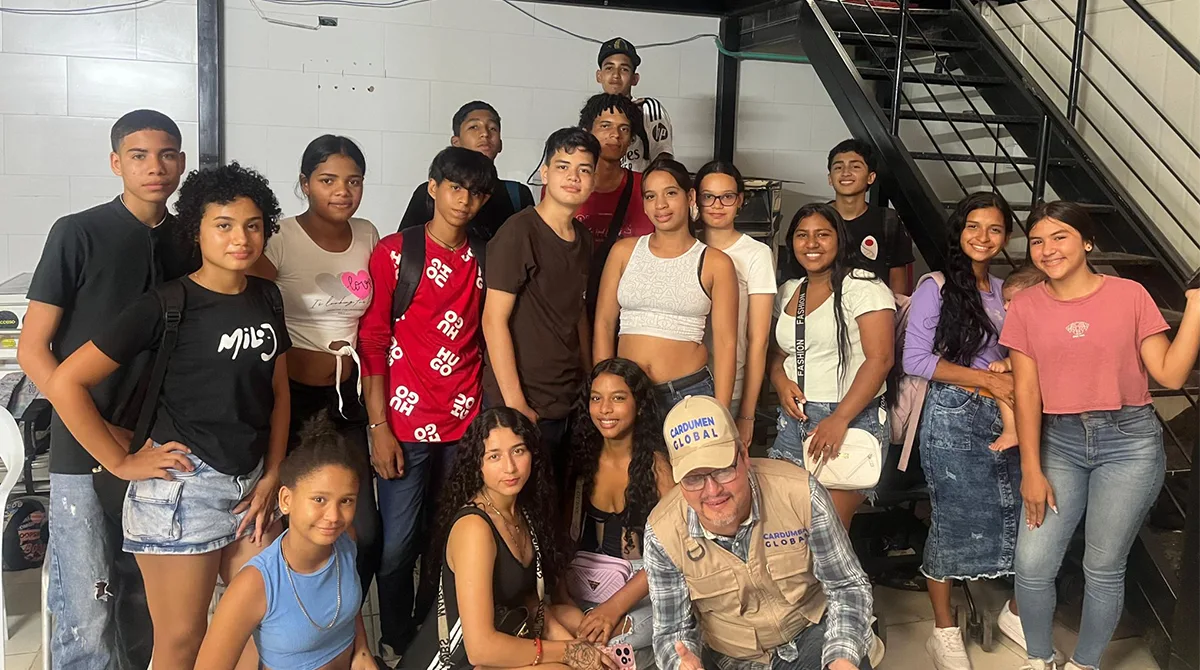
Recently, we implemented a pilot micro-project focused on young people ages 14 to 23 in the border zone. Instead of offering only traditional courses, we implemented a Digital Badges system.
Unlike a paper diploma that stays in a drawer (or in another country), a digital badge is: Verifiable: An employer can click and see exactly what skill the young person has mastered (e.g., “Customer Service”)
I am very happy for all the financial support from FUPAD Colombia, Fundación Nueva Ilusión, and Cardumen Global that made possible a micro pilot from September to October 2025, where we established the framework, developed business simulation, and accredited leadership and teamwork through the Project Leader badge.